We’ve all been there. You’re hosting a dinner party, excited to whip up your favorite dishes, when suddenly, you realize your guest list includes a vegan, someone on a keto diet, and perhaps someone else avoiding gluten. Cue the internal panic. Here’s the thing: catering to different dietary needs doesn’t have to be overwhelming. In fact, with a little creativity and planning, you can make meals that everyone will enjoy—no matter what they do or don’t eat.
Understanding the Basics
First things first: let’s break down the diets we’re talking about here. Understanding the basic principles of each one will help you navigate the kitchen with confidence.

Vegan
This one’s straightforward—no animal products at all. That means no meat, dairy, eggs, or even honey. Vegans focus on plant-based foods, so think fruits, vegetables, grains, nuts, seeds, and legumes.
Keto
The ketogenic diet is all about low carbs and high fat. It’s designed to put the body into a state of ketosis, where it burns fat for fuel instead of carbohydrates. Typical keto meals are rich in meats, fatty fish, butter, eggs, and low-carb vegetables.
Gluten-Free
This diet is necessary for people with celiac disease or gluten intolerance, but many others choose to avoid gluten for health reasons. Gluten is a protein found in wheat, barley, and rye, so gluten-free eaters avoid foods like bread, pasta, and most baked goods—unless they’re made with gluten-free alternatives.

Cooking for a Vegan Diet
Cooking vegan might seem limiting at first, but it’s a chance to get creative with flavors and ingredients you might not usually use. A great place to start is by focusing on whole foods like vegetables, legumes, grains, and nuts. These ingredients are naturally vegan and packed with nutrients.
For instance, if you’re hosting a vegan dinner party, you could start with a hearty lentil stew. Lentils are a fantastic source of protein and iron, and when combined with spices like cumin, coriander, and turmeric, they become the star of a warm, comforting dish. Pair it with a side of quinoa or brown rice, and you’ve got a filling, satisfying meal that everyone can enjoy.
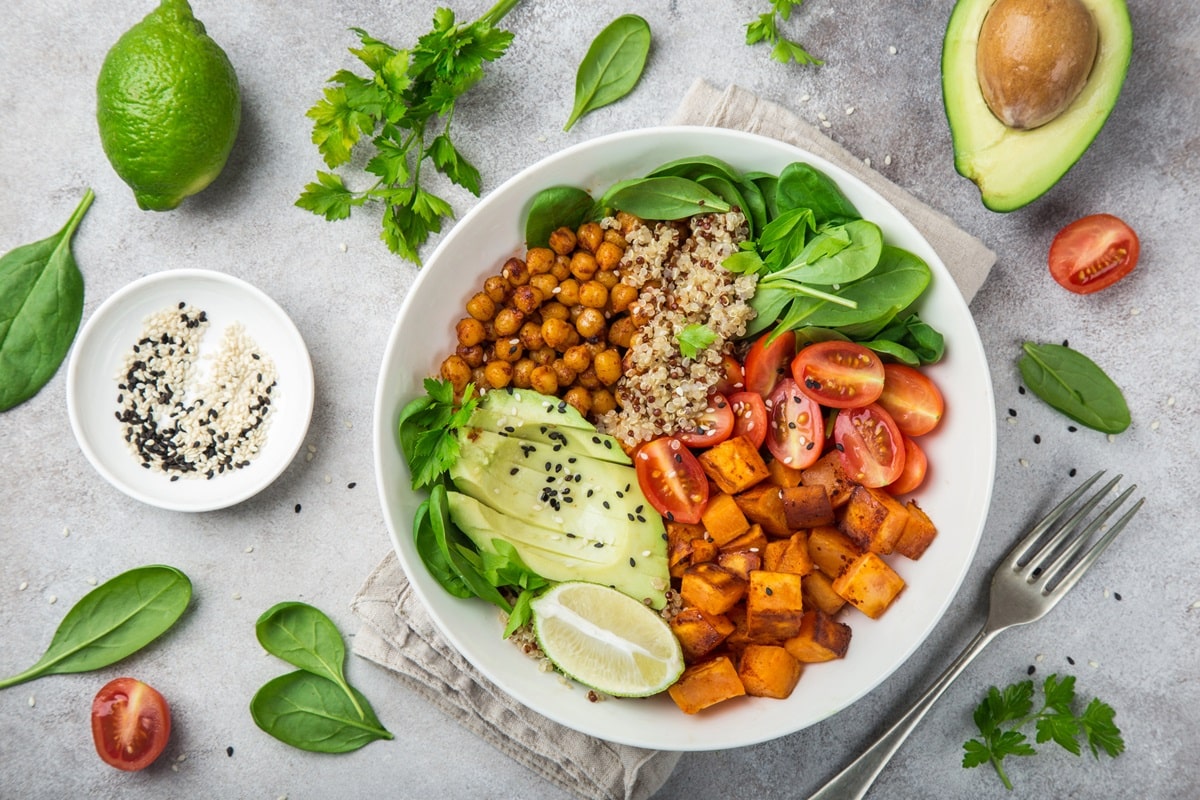
Another idea is to make a big salad, but not just any salad—one that’s loaded with interesting textures and flavors. Think roasted chickpeas for crunch, avocado for creaminess, and a zesty lemon-tahini dressing to tie it all together. Top it with some toasted nuts or seeds, and you’ve got a meal that’s both vibrant and delicious.
Cooking for a Keto Diet
When it comes to keto, the focus shifts to fats and protein while minimizing carbs. At first, it might seem like your options are limited, especially if you’re used to cooking pasta, rice, or other carb-heavy dishes. But there are plenty of delicious meals you can make that fit the keto guidelines.
One popular keto dish is a creamy chicken Alfredo made with zucchini noodles (or “zoodles”). Zoodles are a great low-carb alternative to pasta, and they soak up sauces beautifully. You can make the Alfredo sauce with heavy cream, butter, and Parmesan cheese, and toss in some grilled chicken or shrimp for added protein. The result is a rich, indulgent meal that doesn’t feel like you’re missing out on anything.
Another idea is to go for a keto-friendly stir-fry. Use cauliflower rice as your base (it’s easy to make at home or find in stores), and stir-fry it with low-carb veggies like bell peppers, broccoli, and spinach. Add some tofu, chicken, or beef, and finish it off with a sauce made from coconut aminos (a soy sauce alternative) and sesame oil. It’s a quick, flavorful meal that’s perfect for busy weeknights.

Cooking for a Gluten-Free Diet
Gluten-free cooking can be a bit tricky if you’re not used to it, but with so many gluten-free products available these days, it’s easier than ever to make delicious meals that everyone can enjoy.
For example, if you’re craving pasta, there are plenty of gluten-free options made from rice, quinoa, or even chickpeas. Pair it with a simple marinara sauce, or go for something more adventurous like a creamy avocado pesto. Just remember to check all your ingredients (like sauces and spices) to make sure they’re gluten-free—gluten can sometimes sneak into unexpected places.
If you’re in the mood for baking, try experimenting with gluten-free flours like almond flour, coconut flour, or oat flour (just make sure the oats are certified gluten-free). You can make everything from mug cakes to cookies to pizza crusts without a trace of gluten.
Another fun gluten-free dish to try is stuffed bell peppers. Fill them with a mix of quinoa, black beans, corn, and spices, then bake them until they’re tender and slightly charred. Top with some cheese (or skip it for a vegan version), and you’ve got a satisfying, gluten-free meal that’s bursting with flavor.
Bringing It All Together
So, what do you do when you’re cooking for a group with mixed dietary needs? The key is to find dishes that can be easily adapted, like seasonal produce or served as part of a larger spread, allowing each guest to pick and choose what works for them.
For example, you could set up a taco bar with a variety of fillings and toppings. Offer lettuce wraps or gluten-free tortillas instead of regular ones, have both meat and plant-based protein options, and provide plenty of veggies, salsas, and guacamole. This way, your vegan friend can load up on veggies and beans, while your keto friend can focus on the meats and avocado.
Another option is to make a big pot of mushroom soup or beef stew that’s naturally gluten-free and vegan, like a vegetable and bean chili. Serve it alongside a few different toppings, like shredded cheese, sour cream, and sliced avocado, so everyone can customize their bowl. Pair it with a big salad and some gluten-free cornbread, and you’ve got a meal that’s hearty and satisfying for everyone.

Final Words
Cooking for special diets doesn’t have to be stressful. In fact, it can be a fun way to explore new ingredients and flavors and to show your friends and family that you care about their needs. By focusing on whole foods, getting creative with your recipes, and offering a variety of options, you can create meals that are not only delicious but also inclusive. Next time you find yourself faced with a vegan, keto, or gluten-free guest, don’t panic—embrace the challenge and enjoy the process.
Pin for Later
Need Support or have Questions? Join our Free Facebook Group.
Follow us on Pinterest, Facebook, Instagram, TikTok, Flipboard, or YouTube.
For weekly New Recipes and a FREE E-Book get into our NEWSLETTER.
