If you’ve ever found yourself standing in your kitchen, staring at an overflowing pantry or a chaotic countertop, wondering how to whip up a simple meal for one or two, you’re not alone. Small batch cooking is a game changer, but it does require a bit of a strategy to get right. Read on for some practical tips on how to organize your kitchen for small batch cooking, so you can cook efficiently, minimize waste, and actually enjoy the process.

Start with a Declutter Session
First things first—let’s tackle the clutter. I know, I know, decluttering can feel like a Herculean task, but trust me, it’s worth it. Start by taking everything out of your cupboards, drawers, and pantry. Yes, everything. It’s only when you see the full extent of what you’ve got that you can start making decisions about what to keep, what to toss, and what to donate.

Focus on keeping items that are versatile and useful for small batch cooking. Do you really need that massive stockpot when you’re cooking for one? Probably not. But that small saucepan or your trusty skillet? Those are keepers. The goal here is to only have what you truly need, which makes it easier to find things and keep your space tidy.
Designate a Small Batch Cooking Zone
Once you’ve decluttered, it’s time to designate a small batch cooking zone in your kitchen. This doesn’t mean you need to cordon off half your kitchen; it’s more about creating a specific area where you keep all the tools and ingredients you regularly use for small batch cooking.
For example, you could dedicate a section of your countertop or a specific cabinet to your small batch essentials—think mixing bowls, measuring cups, and your go-to spices. The idea is to have everything you need within arm’s reach, so you’re not running around the kitchen like a contestant on a cooking show trying to beat the clock.
Invest in the Right Tools
When it comes to small batch cooking, having the right tools can make all the difference. If your kitchen is filled with oversized equipment, you’re not only wasting space, but you’re also making your cooking experience more difficult than it needs to be.
Consider investing in a few key items that are designed for smaller portions. A mini food processor, a smaller cutting board, and a set of nesting mixing bowls can be real lifesavers. Also, look for stackable containers for storing leftovers or prepping ingredients ahead of time—they’re great for maximizing your storage space and keeping your fridge organized.
Get Creative with Storage Solutions
Speaking of storage, let’s talk about how to make the most of the space you’ve got. Small kitchens often come with the challenge of limited storage, so it’s important to get creative.
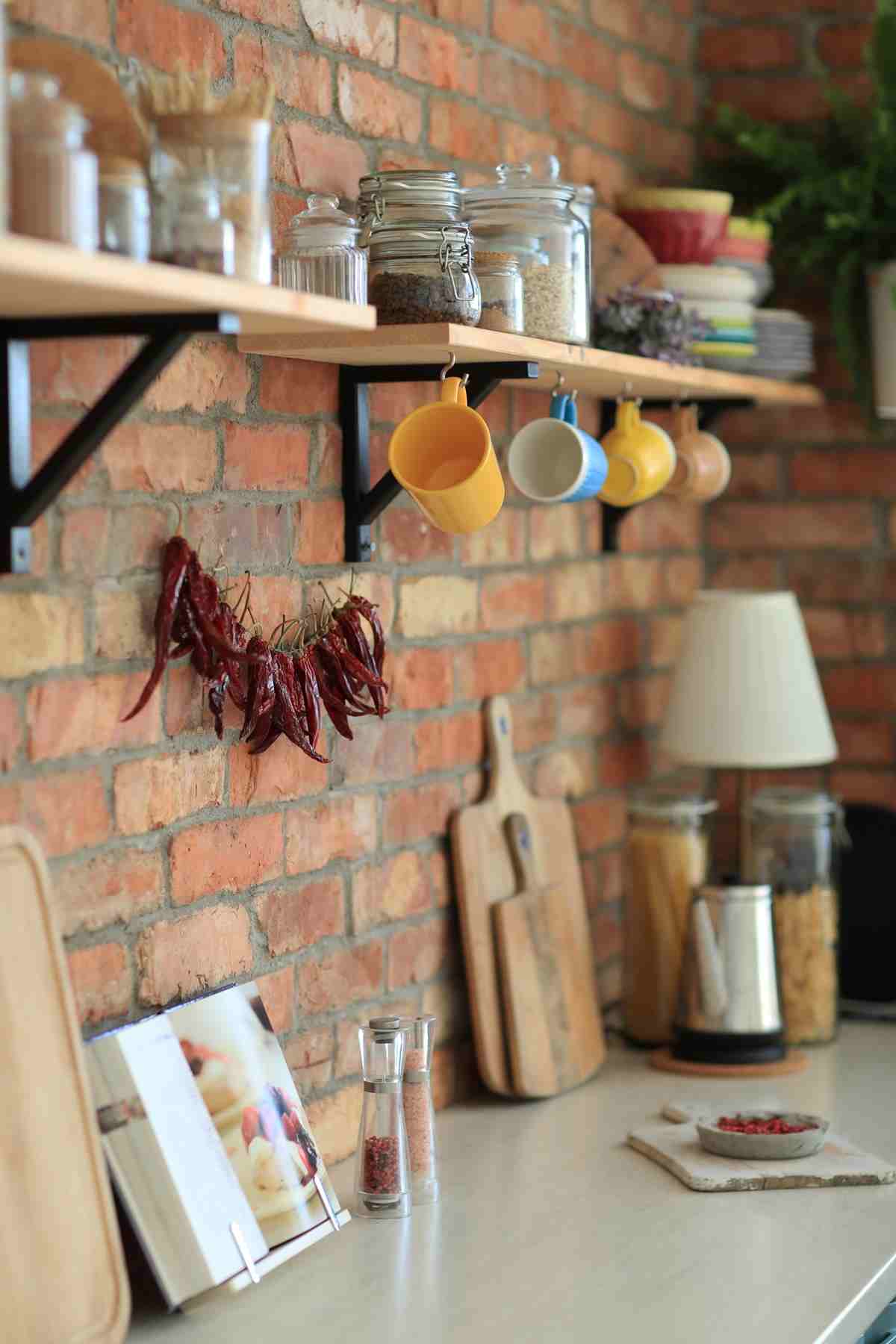
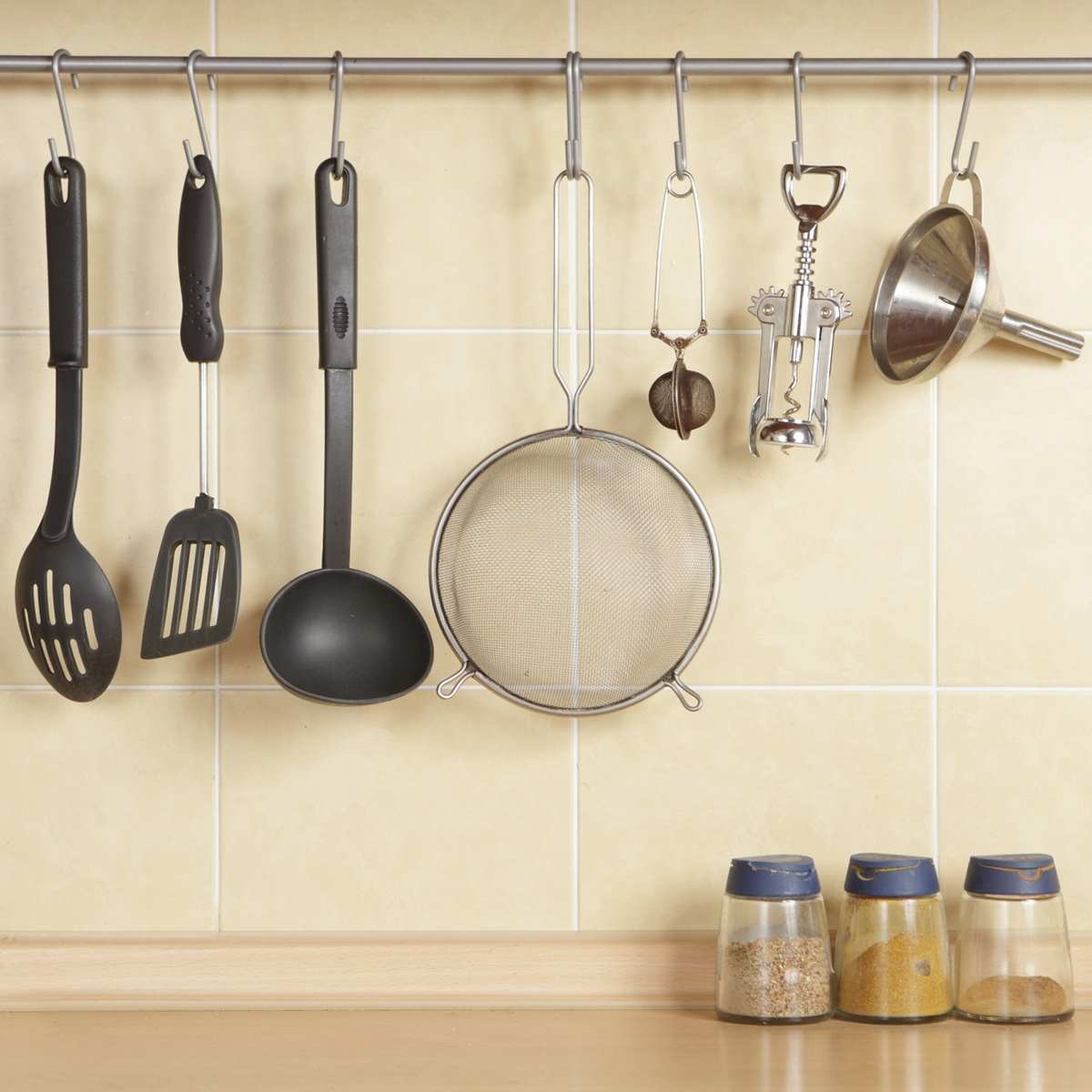
Use the inside of cabinet doors to hang measuring spoons or pot lids, and consider adding shelf risers to make better use of vertical space. Drawer organizers can keep your utensils in check, and magnetic strips are perfect for holding knives or metal spice jars. The goal is to find storage solutions that work for your specific space and cooking habits.
Keep Ingredients Fresh and Accessible
One of the biggest challenges of small batch cooking is making sure your ingredients stay fresh, especially when you’re not using them in large quantities. To combat this, think about how you’re storing your food.
For dry goods like grains, pasta, and flour, airtight containers are your best friend. They keep your ingredients fresh and help you see exactly what you have on hand. For produce, consider investing in produce savers or mesh bags that extend the life of your fruits and veggies. And if you’re someone who struggles with using up fresh herbs before they go bad, try freezing them in olive oil in ice cube trays—they’ll be ready to toss into a dish whenever you need them.
Plan Your Meals Around What You Have
Meal planning is a key part of small batch cooking, but it doesn’t have to be a rigid process. Instead of planning your meals first and then shopping for ingredients, flip the script—look at what you already have in your kitchen and plan your dinner meals around that.
This approach helps you use up what you’ve got before it goes bad, reduces food waste, and can even save you some money. Plus, it forces you to get a little creative in the kitchen, which can be a lot of fun. Who knows, you might just discover a new favorite recipe in the process that you can use during dinner parties.
Batch Prep, Even in Small Batches
Batch prepping isn’t just for those cooking in large quantities. Even when you’re cooking for one or two, a little bit of prep work can go a long way. Spend some time at the beginning of the week washing and chopping veggies, cooking grains, or portioning out proteins. Store these prepped ingredients in your stackable containers, and you’ll be ready to throw together quick meals throughout the week.
The beauty of small batch cooking is that you don’t have to commit to making a ton of food at once. You can prep just enough to make your weeknight meals easier without feeling overwhelmed by the process.
Enjoy Versatile Ingredients
When your kitchen is organized for small batch cooking, you’ll want to stock up on ingredients that are versatile and can be used in a variety of dishes. Think of items like eggs, canned beans, pasta, and a good selection of spices. These are ingredients that can form the base of multiple meals, so you’re not stuck eating the same thing day after day.
For example, a can of chickpeas can be turned into a quick salad, added to a curry, or roasted for a crunchy snack. Eggs can be scrambled, poached, or turned into a frittata. Having a few go-to ingredients on hand makes it easier to whip up something tasty without much fuss.

Don’t Forget About Cleanup
Last but certainly not least, let’s talk about cleanup. Small batch cooking should be as hassle-free as possible, and that includes cleaning up afterward. Keep your cleaning supplies within easy reach, and make a habit of cleaning as you go. Wipe down surfaces, wash dishes, and put things away as you finish using them. This way, when your meal is done, your kitchen is too.
Another tip? Try to limit the number of dishes you use. Opt for multi-purpose tools, like a pot that can go from stovetop to oven, or a mixing bowl that doubles as a serving dish. The fewer dishes you use, the less cleanup you’ll have to deal with.
Final Thoughts
Organizing your kitchen for small batch cooking doesn’t have to be a daunting task. By decluttering, designating a cooking zone, investing in the right tools, and getting creative with storage, you can create a space that’s efficient, functional, and, most importantly, enjoyable to cook in. And once you’ve got your kitchen set up, you’ll find that small batch cooking becomes a breeze—one delicious, perfectly portioned meal at a time.
Pin for Later
Need Support or have Questions? Join our Free Facebook Group.
Follow us on Pinterest, Facebook, Instagram, TikTok, Flipboard, or YouTube.
For weekly New Recipes and a FREE E-Book get into our NEWSLETTER.
